Outage Information


Report a Power Outage
1. Call- 256-734-2343
2. Text us at 833-92-POWER (833-927-6937)
During a widespread outage, Cullman Power Board crews focus all efforts on restoring power as quickly and safely as possible. Before contacting our customer service team, please review the information below as it may answer your outage-related questions.
If you see drooping or downed power lines, stay far away and avoid anything in contact with them, such as tree limbs or fences. Always assume power lines are live.
To report downed lines, call 256-734-2343 immediately.
Report a Power Outage
1. Call- 256-734-2343
2. Text us at 833-92-POWER (833-927-6937)
During a widespread outage, Cullman Power Board crews focus all efforts on restoring power as quickly and safely as possible. Before contacting our customer service team, please review the information below as it may answer your outage-related questions.
If you see drooping or downed power lines, stay far away and avoid anything in contact with them, such as tree limbs or fences. Always assume power lines are live.
To report downed lines, call 256-734-2343 immediately.

Emergency Preparedness
Establish an Emergency Plan to Be Prepared
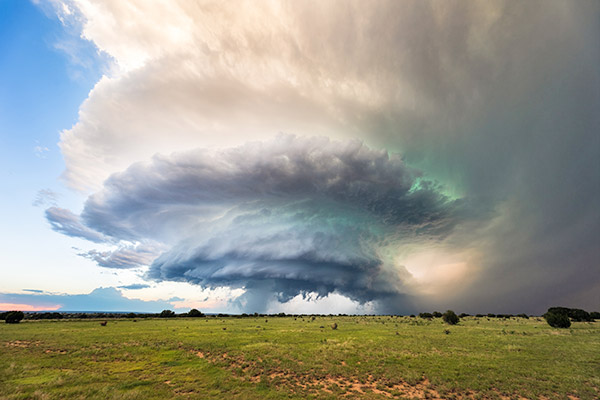
Having an emergency plan can help protect you, your family, and your property during severe weather. Cullman Power Board closely monitors changing weather conditions that could affect our community and provides updates as needed. Severe weather is often predictable hours in advance, giving you time to put your plan into action.
When creating your emergency plan, consider the following:
- Is your Cullman Power Board account information up to date (email and phone)?
- How will you receive emergency alerts or warnings?
- Where will your family meet if separated?
- Where will your emergency kit be stored?
- What is your best evacuation route, if needed?
- Where will you take shelter during severe weather?
- Do any family members have special needs or equipment that require planning?
- How will you communicate if your family is separated?
Once your plan is in place, make sure every family member knows what to do in the event of bad weather. Additionally, be sure to safeguard important documents and maintain current property insurance.
Create an Emergency Preparedness Kit
Severe weather and power outages can happen at any time. Along with having an emergency plan, it’s important to have a well-stocked emergency kit ready. Preparing ahead of time ensures you and your family can stay safe and comfortable during extended outages. Here are some tips for assembling a kit and staying safe:
- Stay Informed: Keep a battery-operated radio, TV, or NOAA Weather Radio on hand to monitor official weather forecasts. Keep your cell phone and other devices fully charged with chargers readily available.
- Prepare for Medical Necessities: If you rely on life-sustaining medical equipment or have special health needs, create a back-up plan in case of a power outage. Being prepared can prevent medical emergencies.
- Keep Basic Supplies: Assemble a 3-day supply of drinking water and non-perishable foods that require no cooking along with a manual can opener. Include first aid supplies, essential medications, flashlights, and extra batteries. Reference the American Red Cross and FEMA for other recommended items to consider for your emergency preparedness kit.
- Set Aside Other Essentials: Consider stocking up on any unique items your family or pets need like baby food, warm clothing, a safe heat source, etc.
- Learn Safe Heating and Power Practices: If you have an emergency heating or power source, learn to use it safely. Never use gas ovens, ranges, or outdoor grills to heat your home, as this can produce deadly carbon monoxide.
- Stay Connected: Monitor the news and visit our Facebook page on battery-powered devices for updates on power restoration.

Possible Causes of Outages
Small animals are a leading cause of power outages. Even with protective barriers in place, they can climb onto or inside equipment, causing shutdowns that interrupt electricity flow.
Storms with high winds, lightning, or ice can cause outages. Winds may make power lines touch, lightning can strike equipment, and freezing rain or sleet can build up on lines and trees, causing them to break.
Trees and limbs can fall on power lines in any weather, from sunny days to storms. Cullman Power Board proactively trims trees along our right-of-ways throughout the year to help prevent outages and speed restoration during storms.
Vehicle accidents involving utility poles may cause an outage. Poles may be damaged, causing power lines to break or touch. Also, accidental contact with underground or overhead power lines at construction sites can cause power outages.
Before starting any projects that require digging, including installing a mailbox, building a deck or landscaping, place a call to Alabama 811 so that all underground utility lines can be located.
Scheduled outages are sometimes necessary for upgrades and maintenance. While inconvenient, these outages help us improve service and ensure work is completed safely. Cullman Power Board will notify customers 24 to 48 hours in advance of planned outages. To minimize the impact of a planned outage, consider following these tips:
- Shut off or disconnect computers, fax machines, and other sensitive equipment
- Check with your provider if the outage affects alarms or phone systems
- Make arrangements to manually operate garage doors or security gates
- Keep refrigerators and freezers closed to maintain temperature
- Reset clocks that do not run on battery backup.
Frequently Asked Questions
Never approach drooping or downed lines, or anything in contact with them, such as tree limbs. Always assume the lines are live. Call 256-734-2343 to report downed lines immediately.
In many cases, an exact restoration time may not be available. Power restoration after a major storm is complex and depends on the cause and extent of damage. Crews may need to wait until immediate dangers from the storm have passed before beginning work.
Storms can cause outages due to lightning, wind, ice, or falling trees and limbs that damage power lines or other utility equipment.
After a storm, crews first assess damage and determine the cause of outages before beginning restoration work.
Safety is the top priority. Crews first address life-threatening hazards, such as downed live lines. Then, transmission lines, substations, and critical services like hospitals, fire, and police are restored. Finally, crews work across the system, starting with issues affecting larger groups before addressing smaller areas.
Preparedness is essential. Have a backup plan, such as a gas-powered generator, and maintain it regularly. Keep spare portable oxygen tanks or alternative solutions ready. Planning ahead is the best way to prevent medical emergencies during an outage.
Check the Cullman Power Board Facebook page and the Outage Center, which updates the electric outage map every 10 minutes. If your outage isn’t listed or it’s an emergency, call 256-734-2343. Access this site anytime from any mobile device.
Report your outage to the Cullman Power Board. The problem may be isolated to your section of the line, a single fuse or transformer, or the service line to your home.
Keep refrigerator and freezer doors closed to maintain safe temperatures. A refrigerator can maintain its temperature for up to 4 hours, and a full freezer for 48 hours if doors remain closed. Group frozen foods together to keep them colder longer. For extended outages, have small coolers and know where to obtain dry ice to repack food if necessary.